Seed Collection
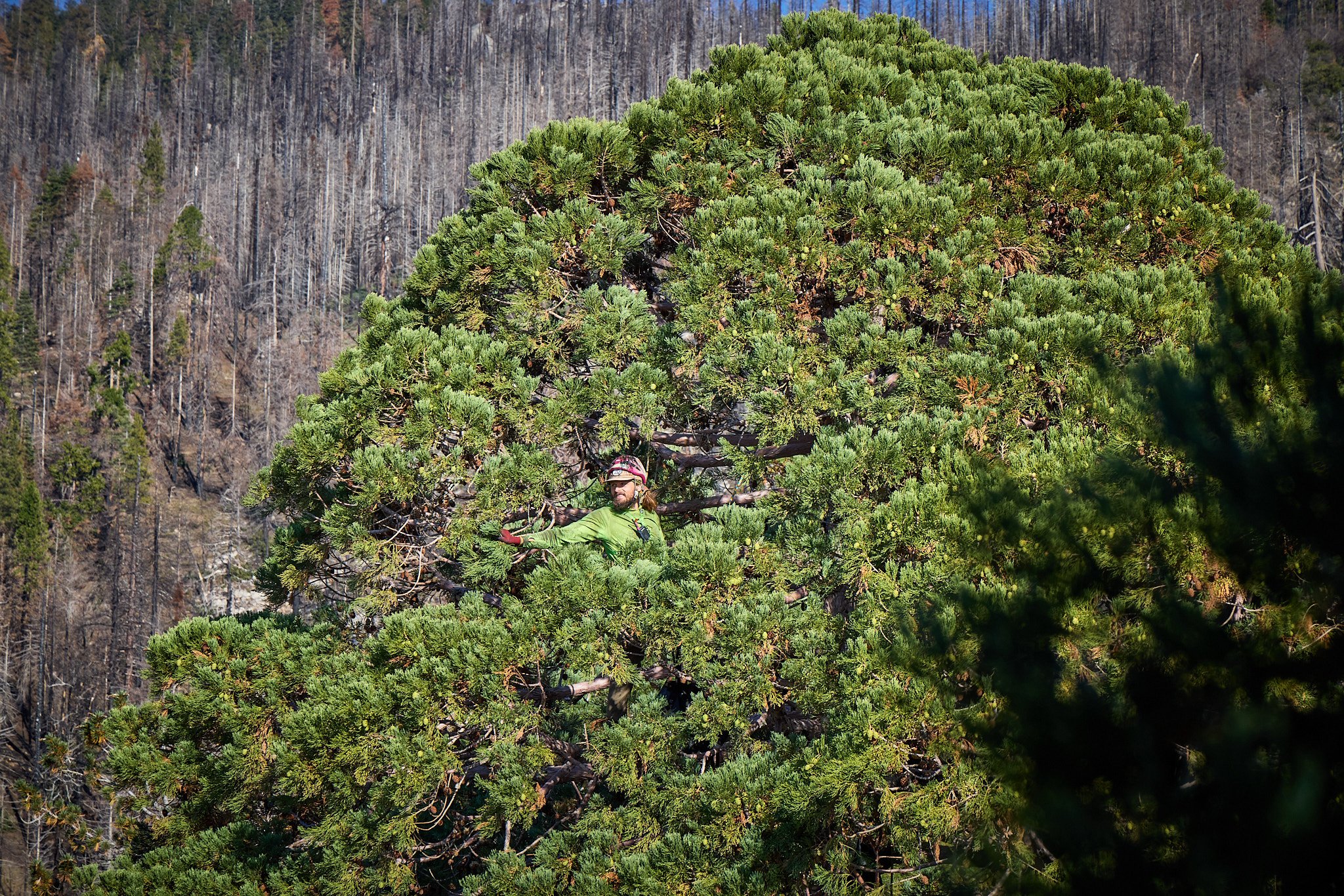
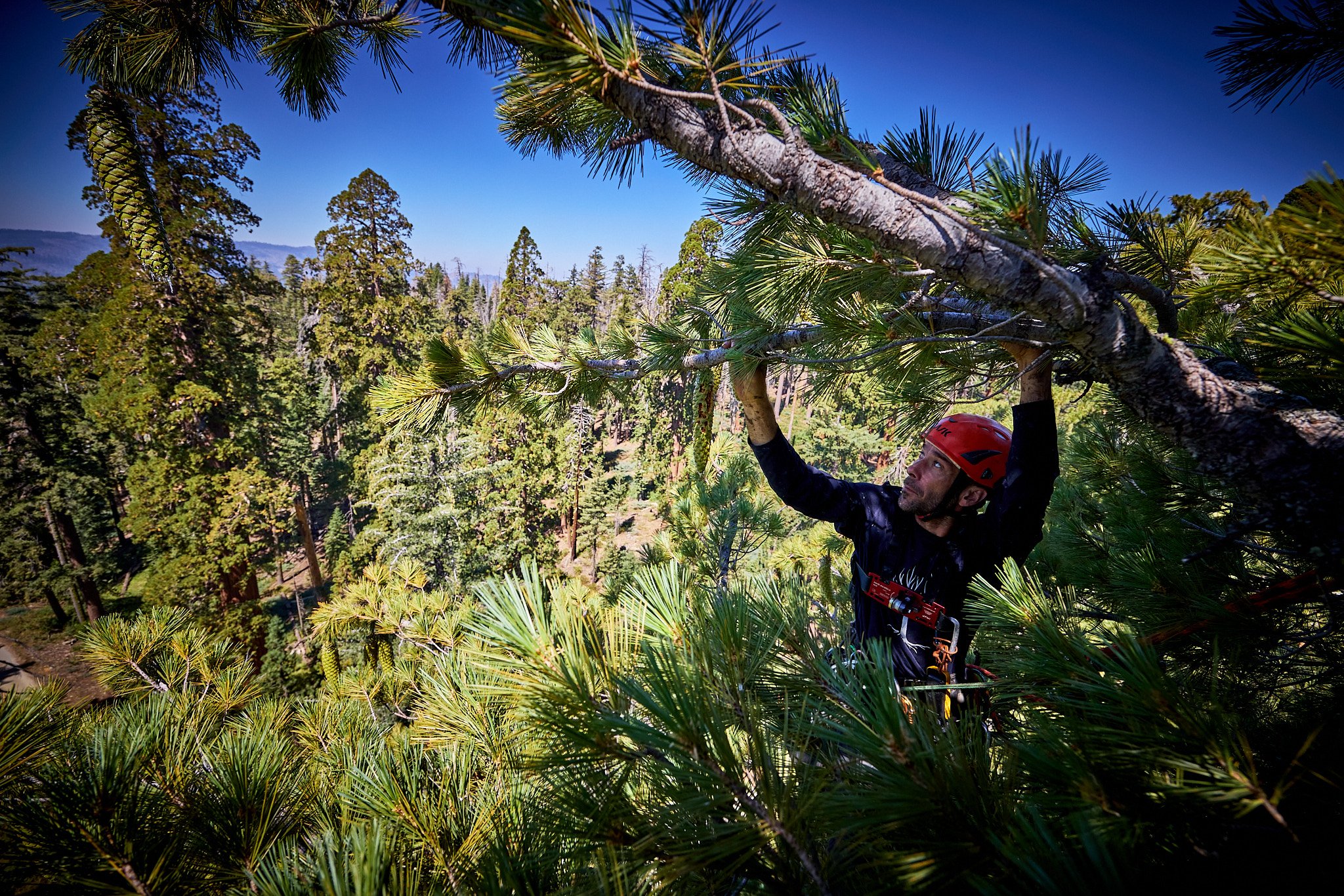
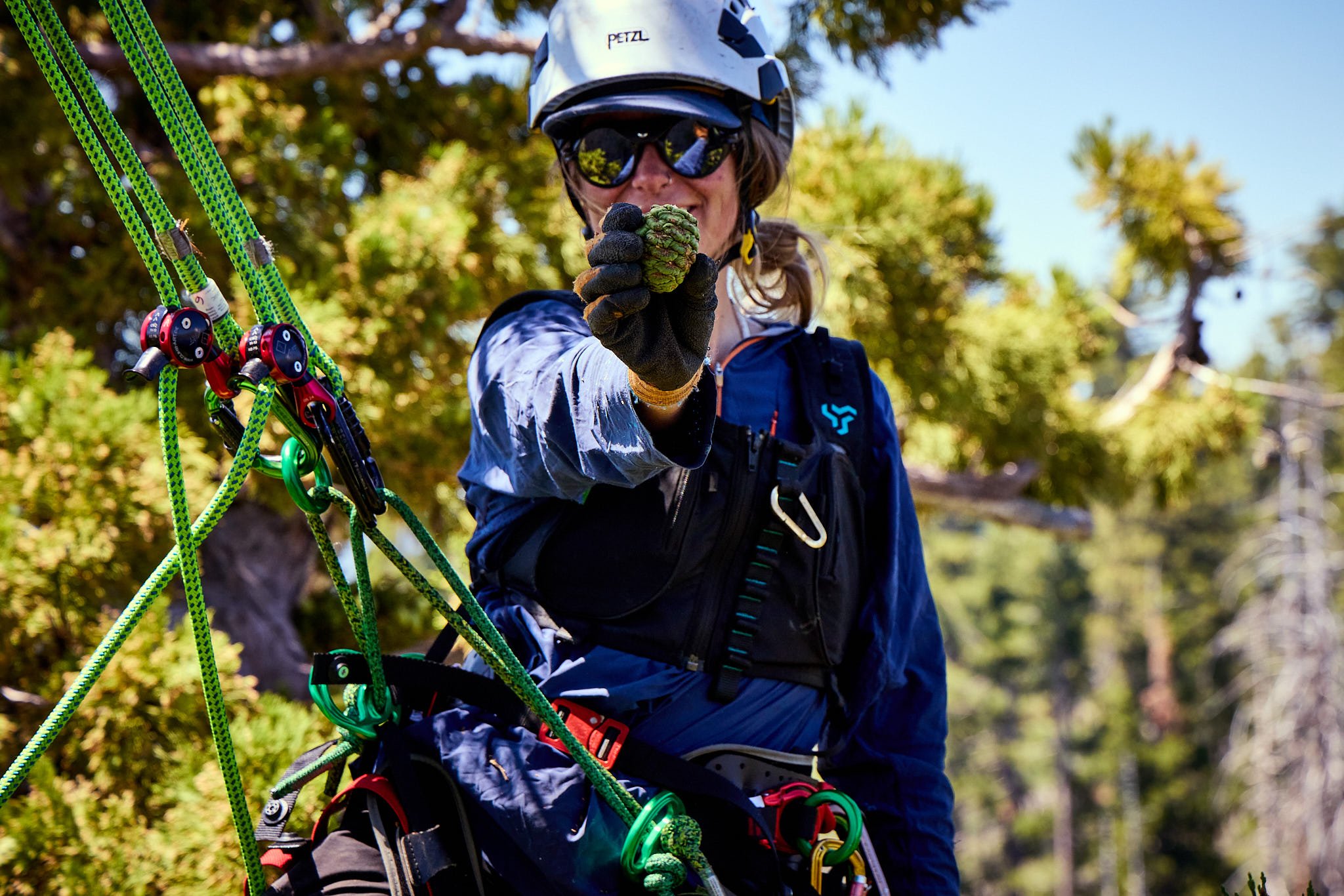
Our seed collection program aims to preserve seeds for genetic conservation and reforestation so they can become the ancient forests of the future.

Giant Sequoia
Ancient forests cannot persist into the future without ongoing regeneration. The health and long-term survival of ancient forests is becoming less certain due to new and emerging threats to natural regeneration in forests around the planet. The mixed conifer forests of the Sierra Nevada, home to magnificent giant sequoia, are no exception. Climate change, drought, severe wildfires, insects and pathogens present novel threats to the health of these globally significant forests.
More than a century of fire suppression and industrial logging have increased the risk of high-severity fire in forests that evolved with and are adapted to frequent mixed severity fire. Native bark beetles are also now emerging as a novel impact on previously impervious giant sequoias weakened by severe fire and drought. Normally considered to be highly resistant to fire, in two years alone (2020-2021) up to 19% of mature giant sequoia trees perished in severe wildfires, eliminating an important component of sequoia genetic heritage and a critical seed source for regeneration. Seed production is also becoming less reliable due to climatic changes and wildfire.
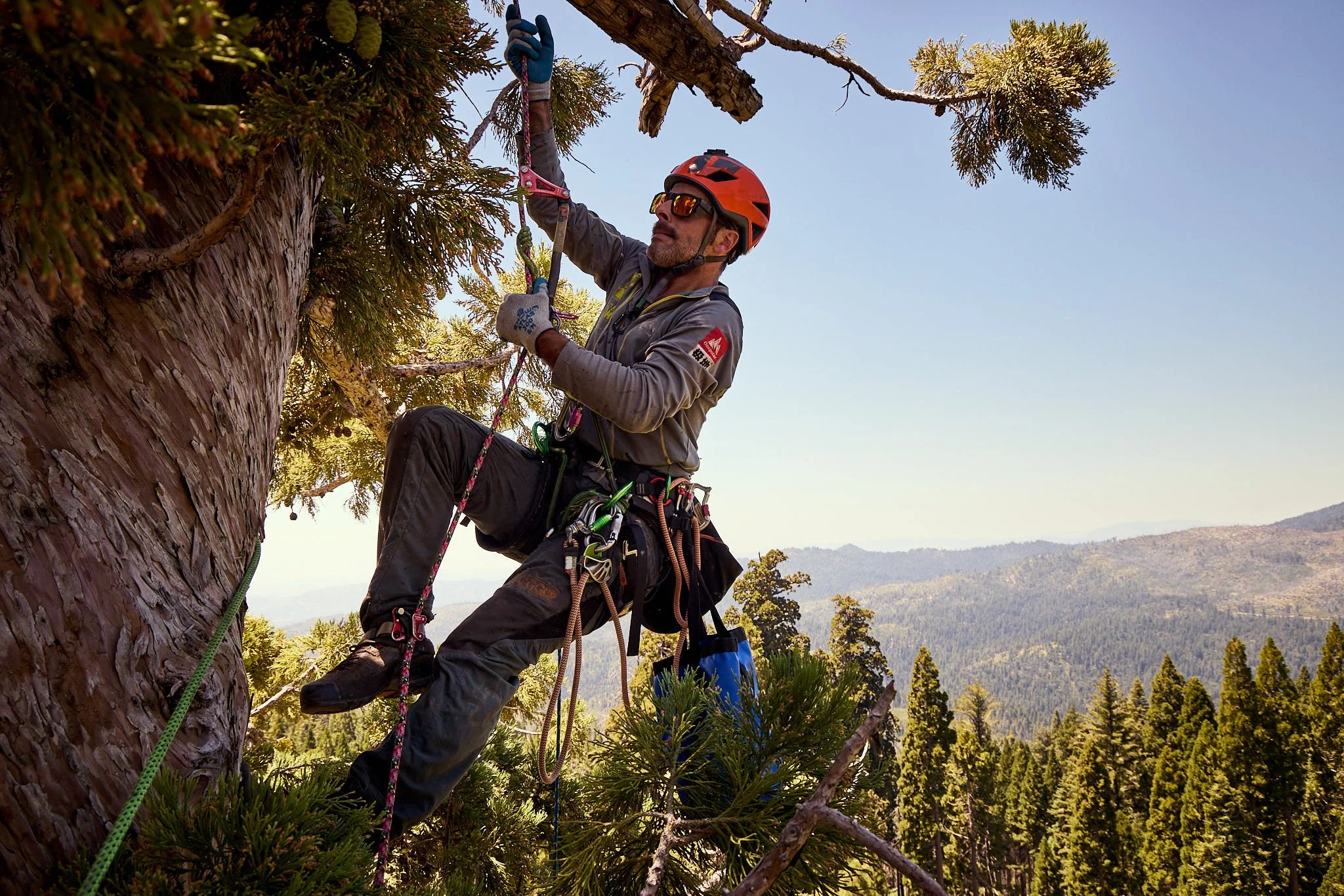
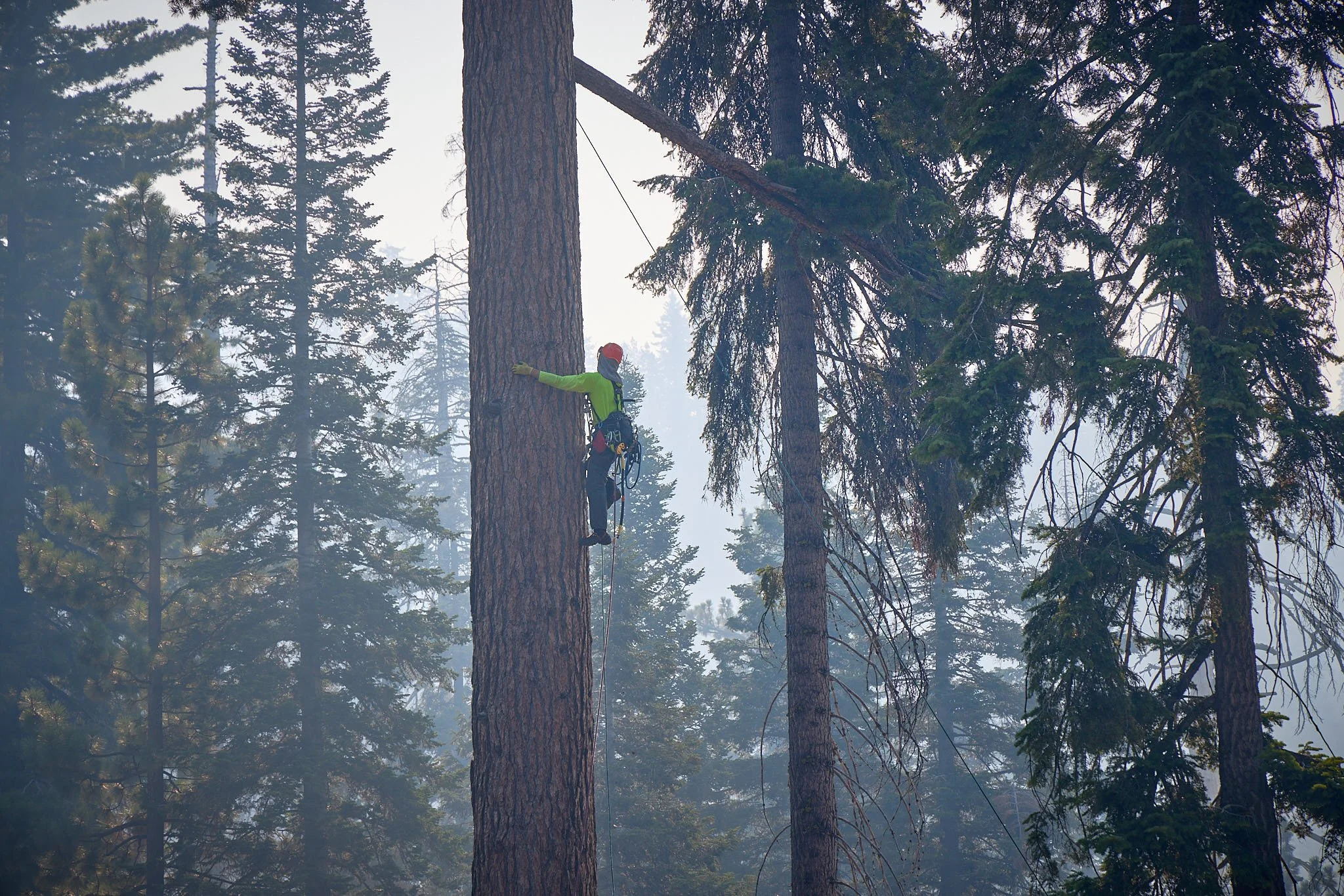
In the face of these burgeoning and interacting threats, the need for collecting seed for genetic banking and reforestation efforts is more important than ever. Ancient Forest Society, in partnership with State and National Parks is collecting giant sequoia seed throughout the Sierra Nevada mountains to help meet this need. Once collected and processed, the seeds will remain safely stored until they are needed. In the three years of this program we collected over 27 million giant sequoia seeds from 196 trees in 18 different groves.
Sugar Pine
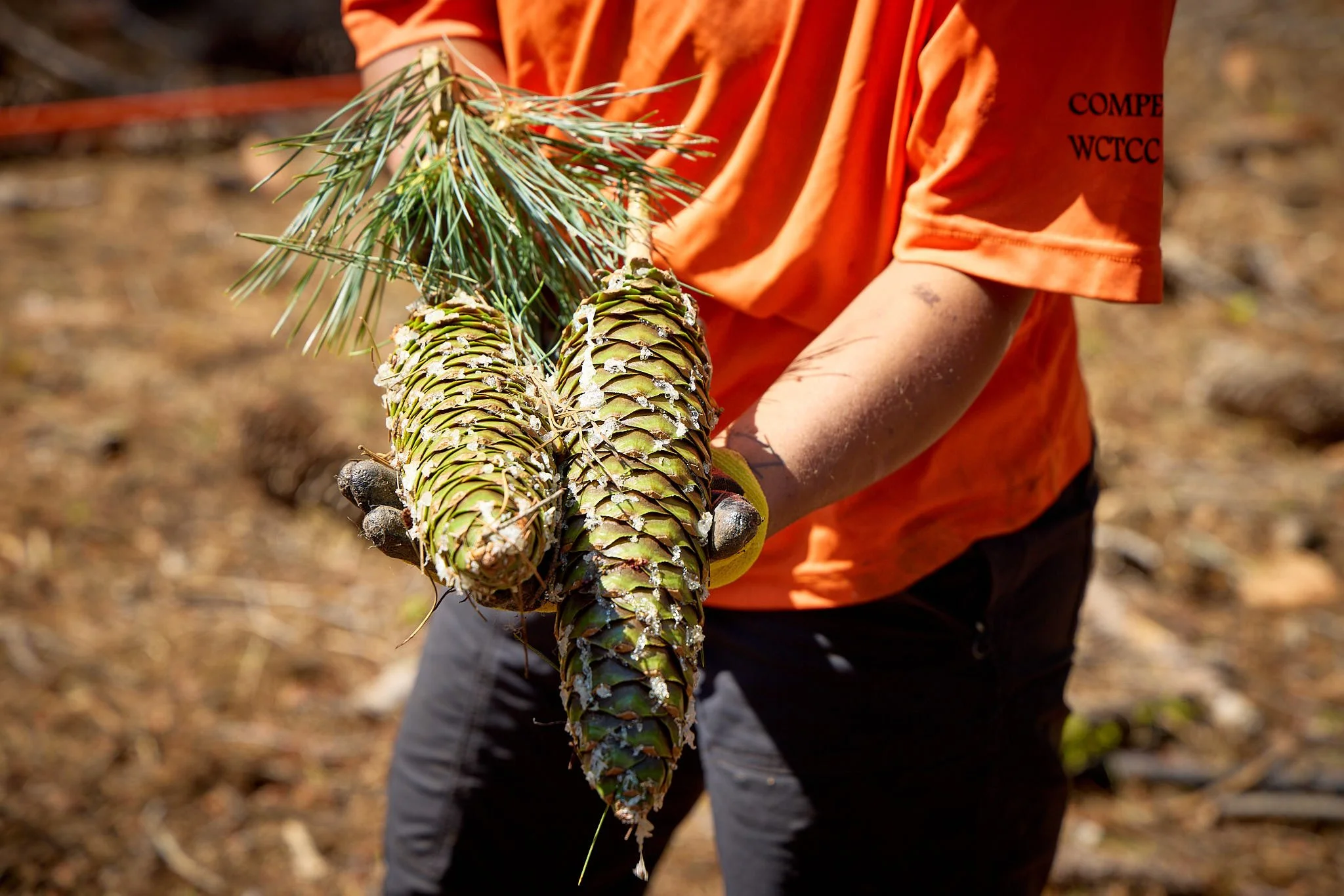
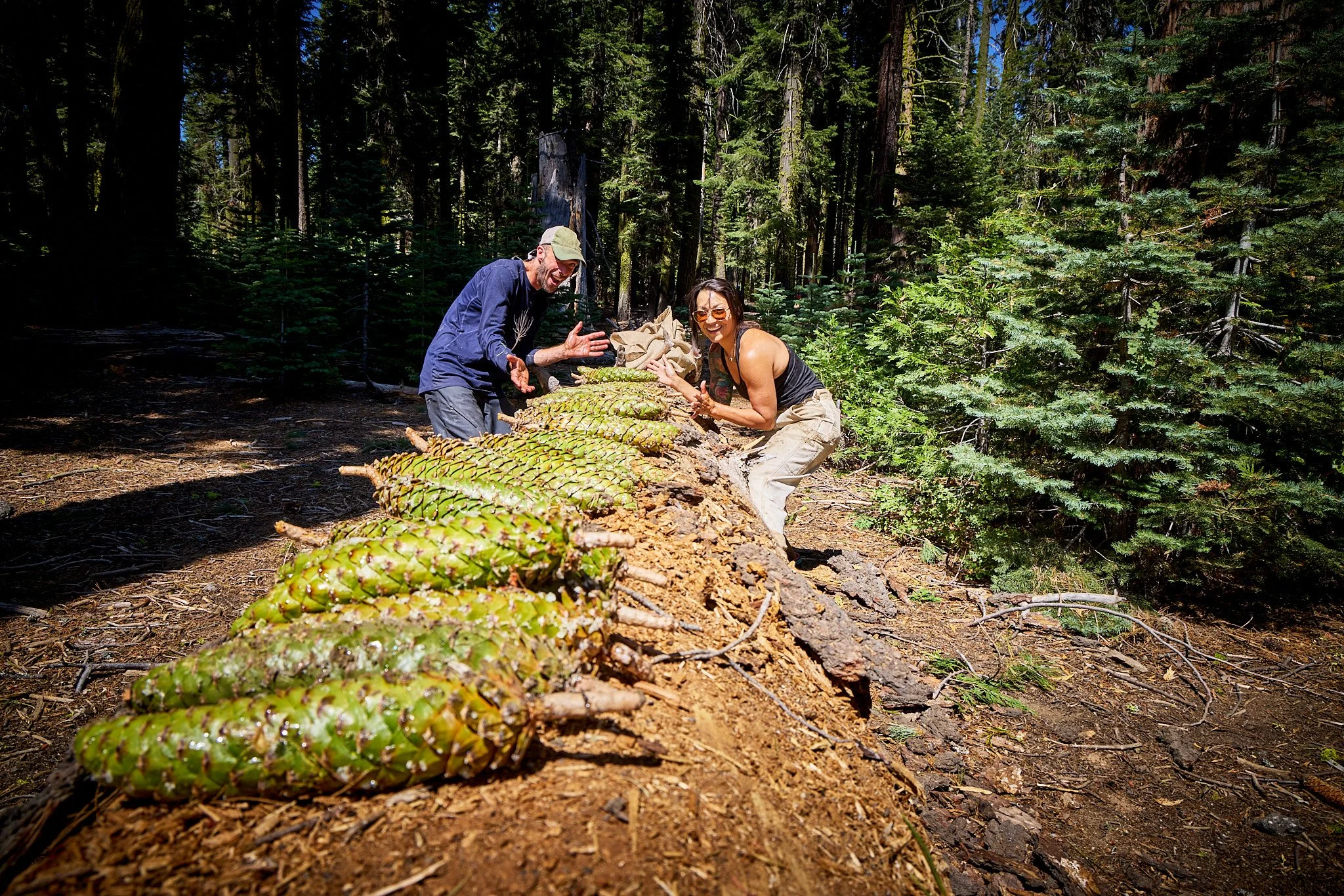
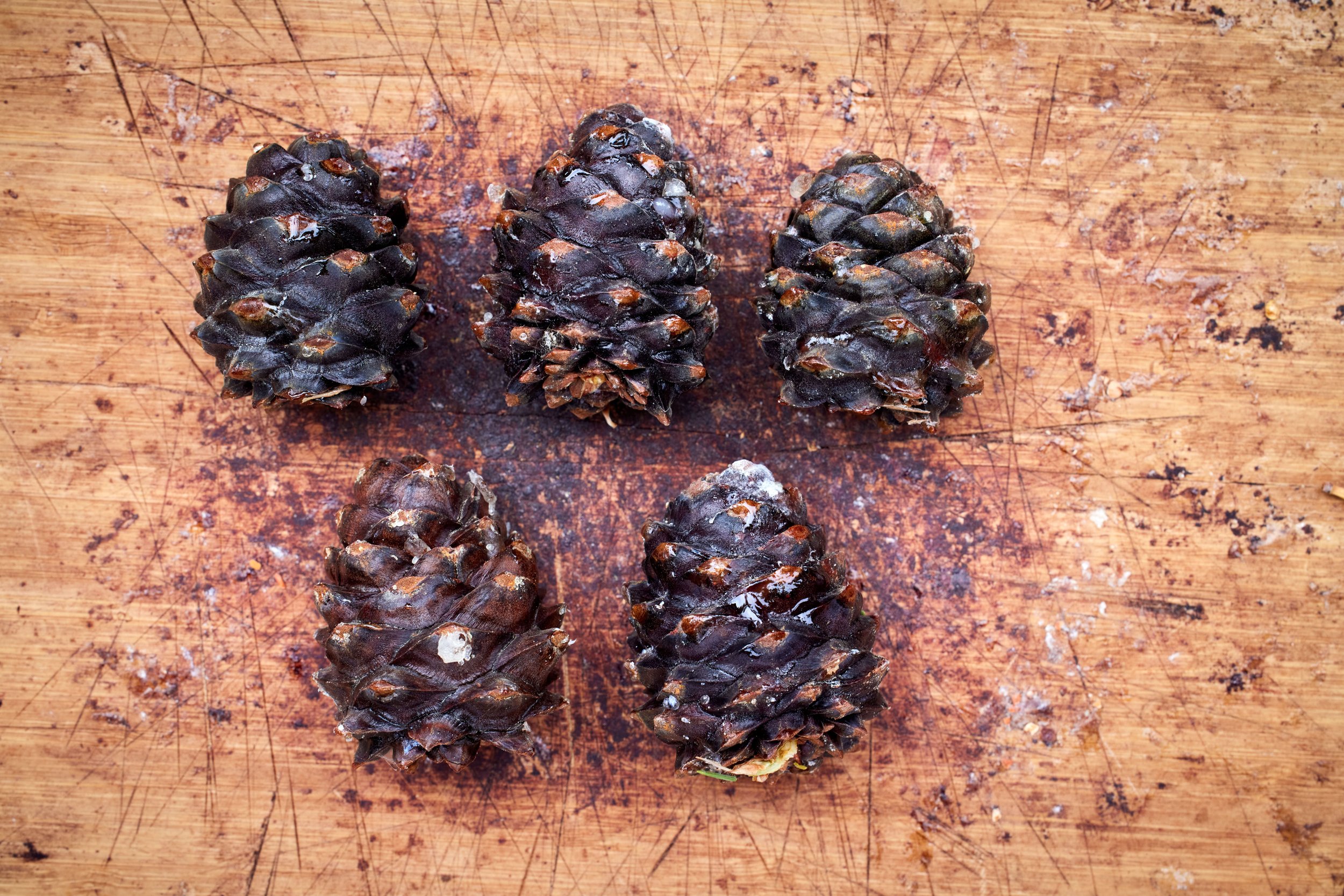
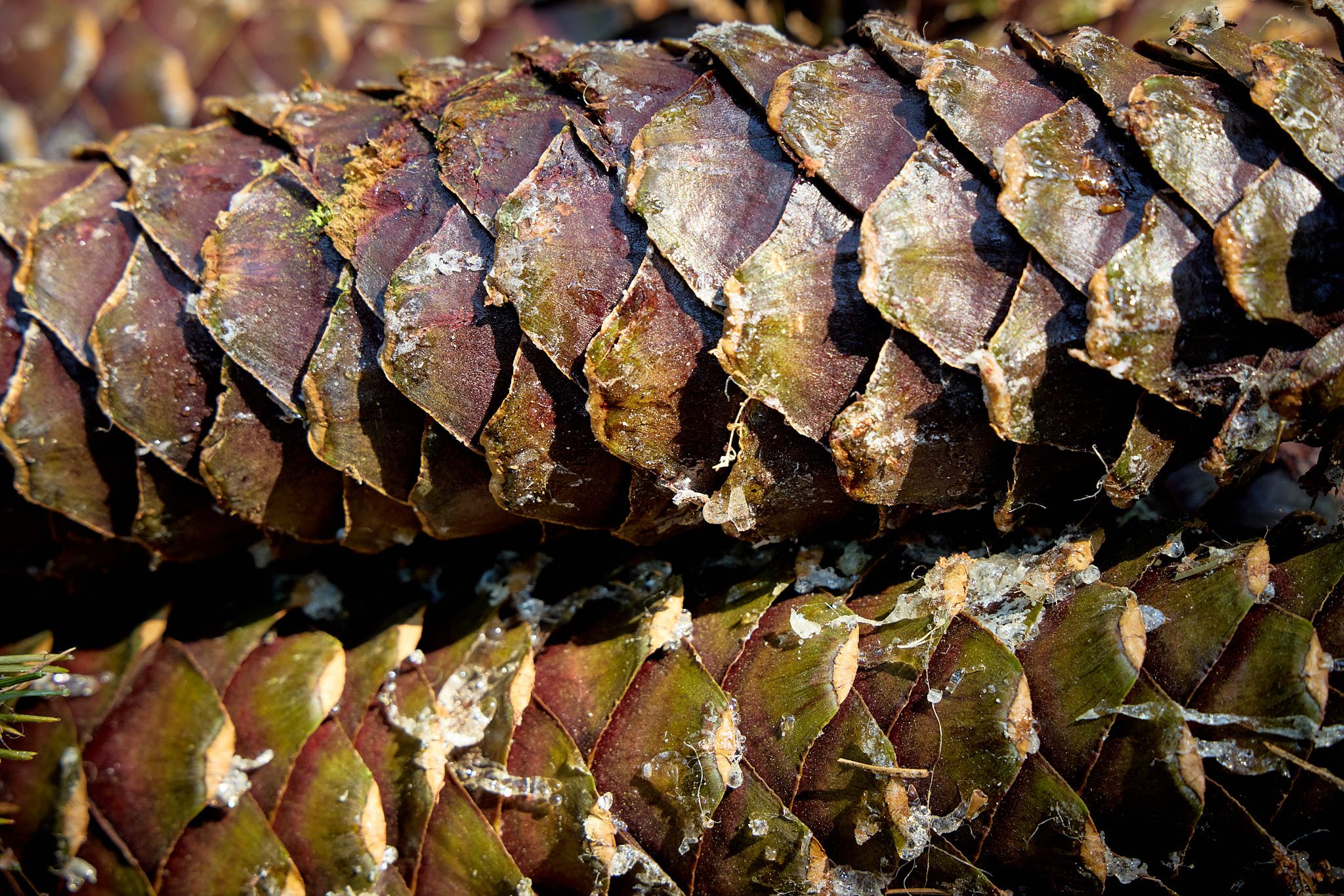
Sugar pine trees are one of the most majestic pines. Boasting the longest cones of all pine species, they are also the tallest and largest. Their swirling limbs catch the eye and their massive cones provide food for their fellow forest denizens including squirrels, birds, bears and insects.
In the mixed conifer forests of the Sierra Nevada, sugar pine is a foundational and ecologically significant species. However, the long-term stability of sugar pine populations is increasingly uncertain due to interacting stressors that impair survival and limit natural regeneration.
White pine blister rust, a non-native fungal pathogen, has caused extensive mortality throughout the species’ range and continues to reduce recruitment in affected stands. Prolonged drought and elevated temperatures further weaken mature trees and diminish cone production. In addition, more than a century of fire suppression has altered forest structure and composition, increasing stand density and elevating the risk of high-severity wildfire in forests historically characterized by frequent, low- to mixed-severity fire. These factors collectively threaten both existing seed sources and the genetic diversity necessary for long-term adaptation.
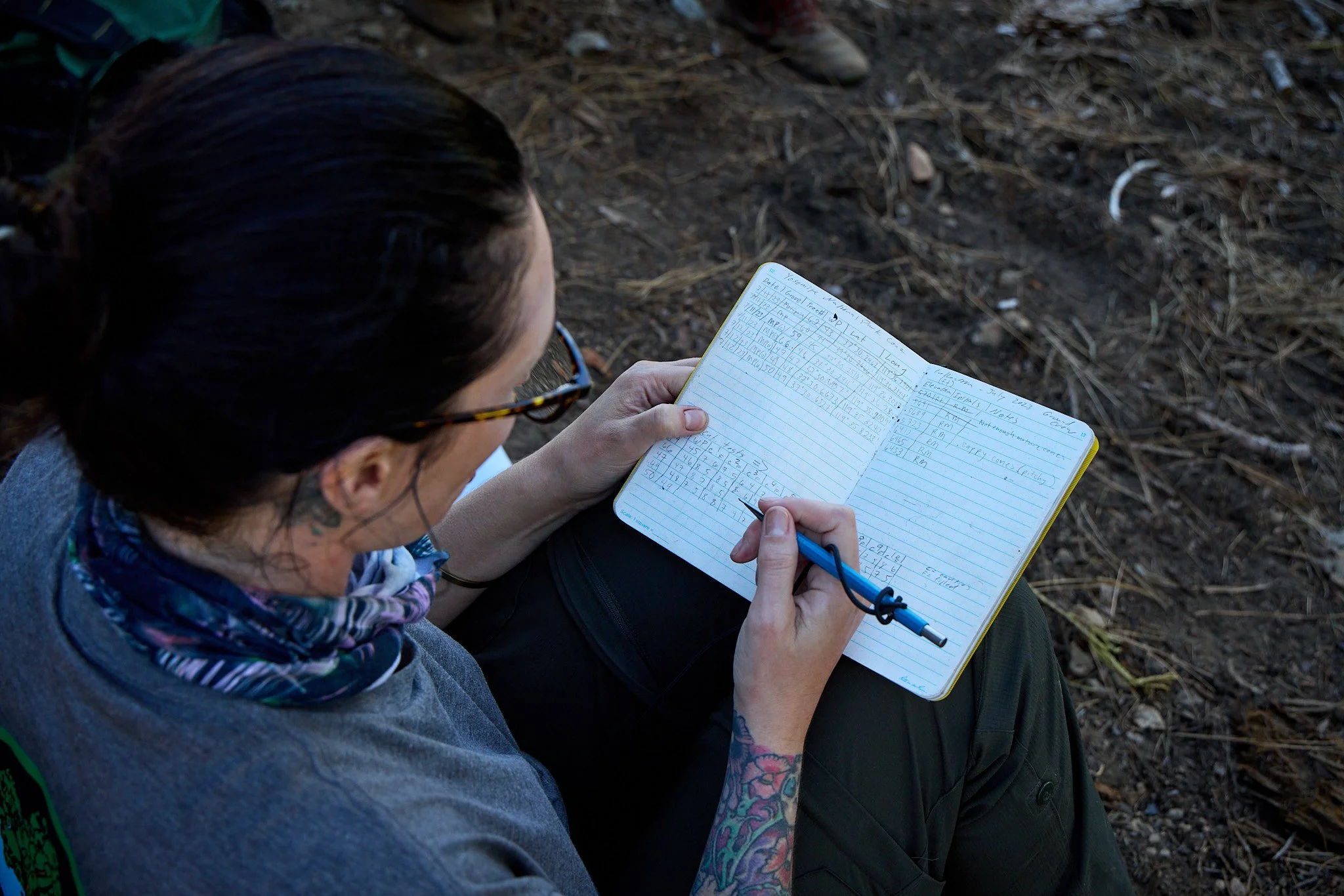
In response to these accelerating pressures, Ancient Forest Society is working in partnership with land managers throughout California to collect sugar pine seed across the Sierra Nevada. Seeds are collected from a broad range of parent trees that have been identified as potentially resistant to blister rust. Needles collected from each tree are sent for genetic testing to confirm whether the individual has the rust-resistant gene and a subset of seeds are grown into seedlings to be inoculated with the disease, another test for resistance. The remaining seeds are processed and stored under controlled conditions for long-term conservation and future restoration efforts. In the first two years of this program, we collected over 522,000 sugar pine seeds from 50 trees across 5 collection sites.
Whitebark Pine
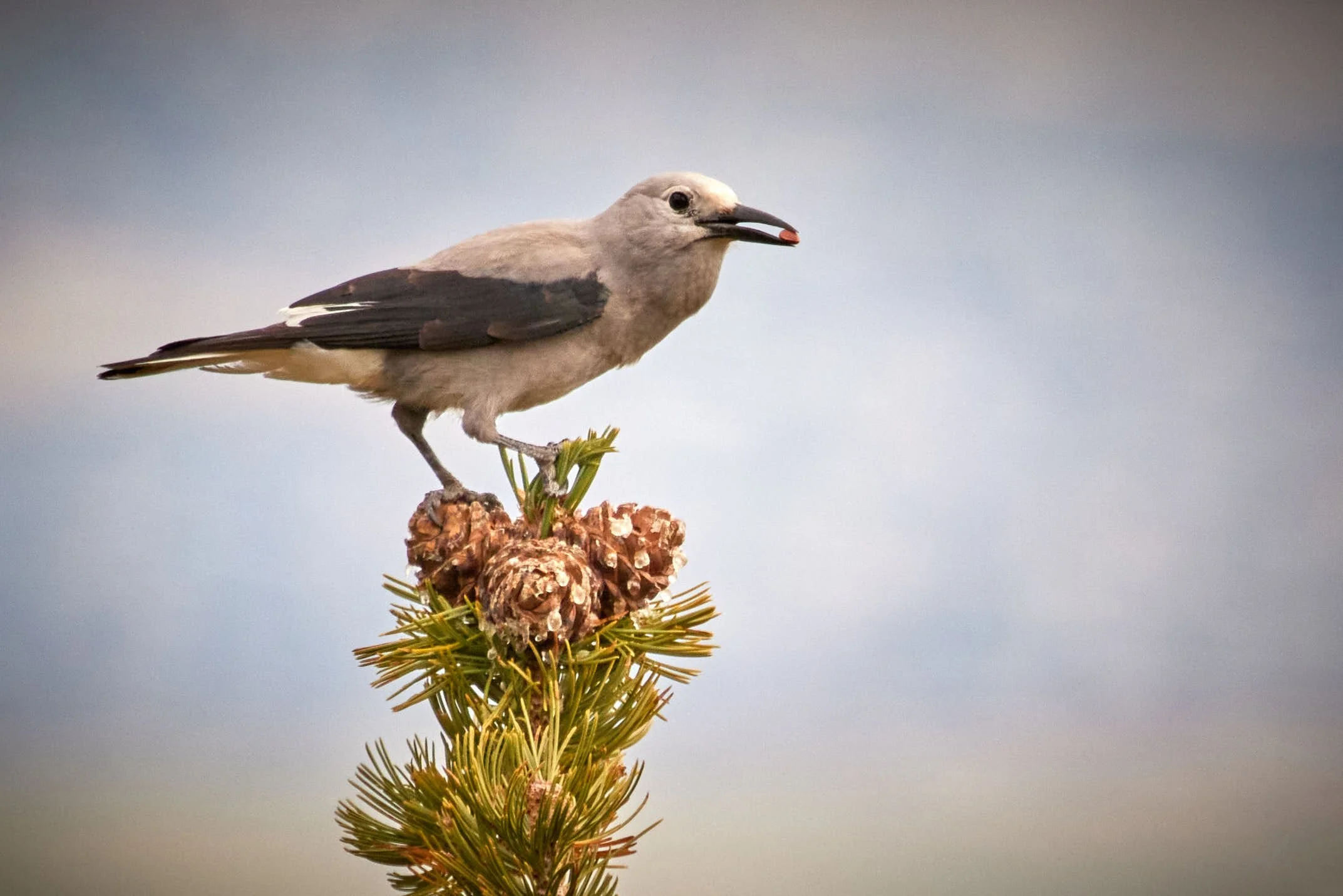
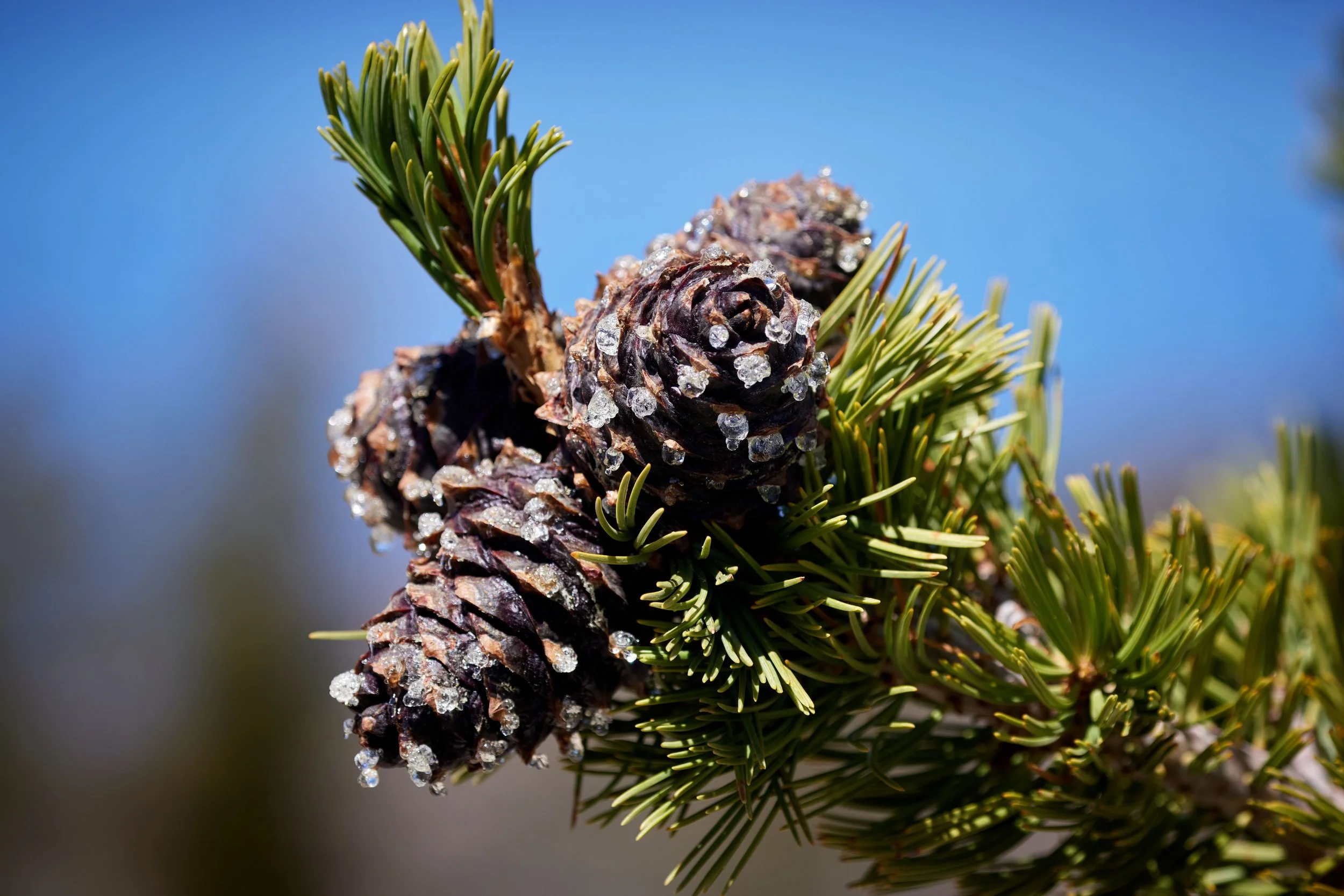
Forest resilience at high elevations depends in part on the continued presence of whitebark pine, a keystone species of subalpine ecosystems. In the Sierra Nevada, this species contributes to watershed stability, moderates snowmelt dynamics, and provides critical food resources for wildlife. Despite its ecological importance, whitebark pine populations are in decline across much of their range.
White pine blister rust, altered fire regimes, and climate-driven stress have resulted in significant mortality and reduced regeneration. In 2022, whitebark pine was listed as threatened under the U.S. Endangered Species Act in recognition of these widespread and compounding impacts. In many high-elevation stands, cone-bearing individuals are now limited, and natural seed availability is increasingly unreliable.
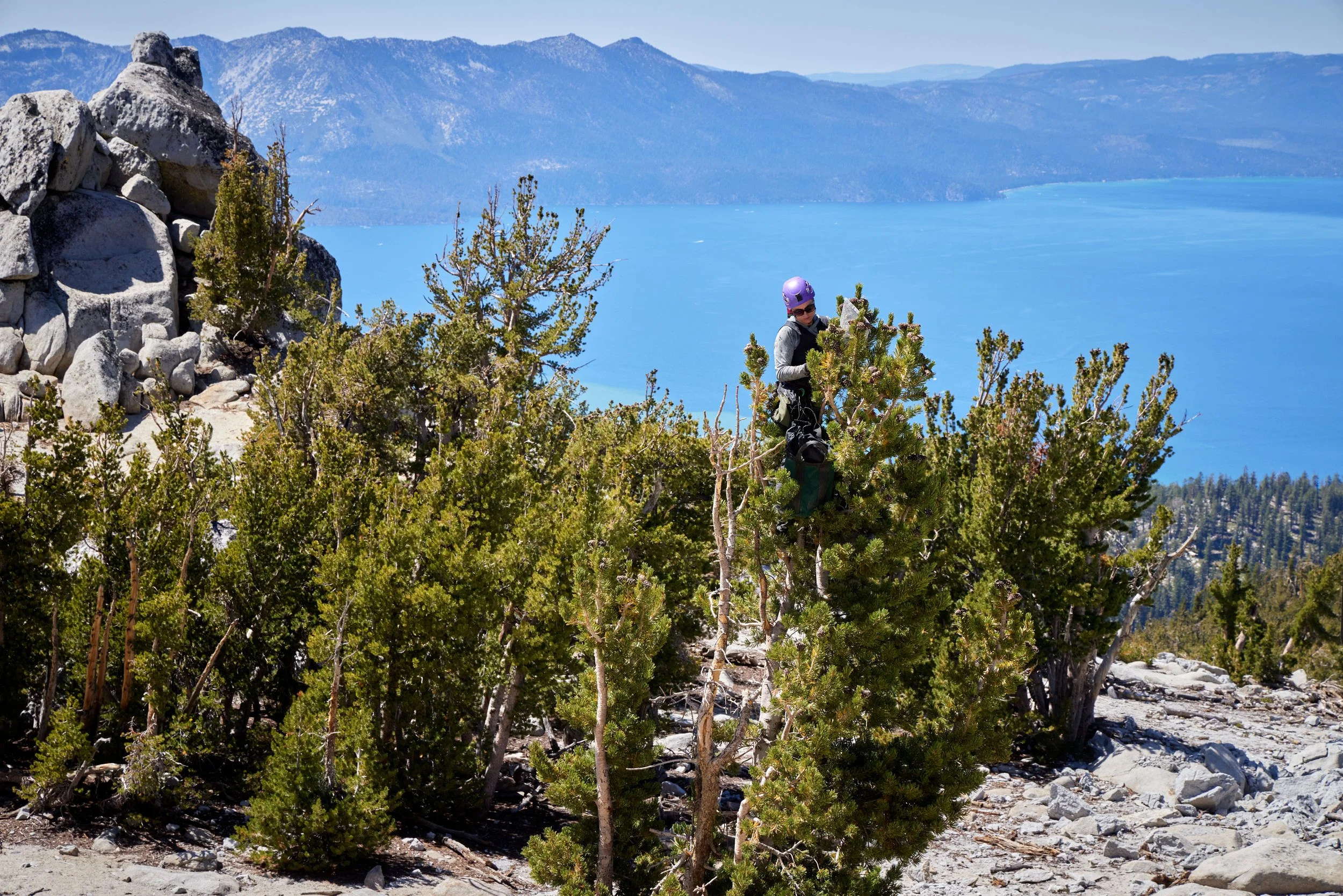
Given these conditions, proactive seed collection and genetic conservation are essential. Ancient Forest Society, in collaboration with the U.S. Forest Service, completed its first collection during summer 2025 to support long-term genetic banking, restoration planning, and rust-resistance screening efforts. Just like sugar pine seeds, whitebark pine seeds are carefully tested for resistance to white pine blister rust. Stems that are determined resistant will be permanently marked and utilized as a seed source into the future for long-term reforestation initiatives. In the first year of this program, we collected over 700 whitebark pine cones from 27 trees across two high-elevation sites at Heavenly Mountain Resort.