|
Ancient Forest Society Celebrating International Day of Forests by Taylor Sheriff In celebration of the International Day of Forests, we want to shine a spotlight on the iconic giant sequoia (Sequoiad
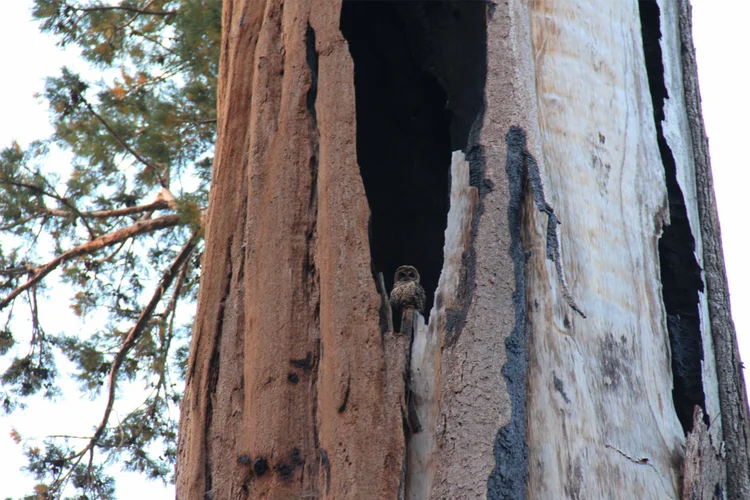
Celebrating International Day of Forestsby Taylor Sheriff In celebration of the International Day of Forests, we want to shine a spotlight on the iconic giant sequoia (Sequoiadendron giganteum) tree. These towering titans of the Sierra Nevada have an outsized impact where they grow, shaping the forested landscapes in which they inhabit. They provide a multitude of ecosystem services and support a forest teeming with life. Aboveground, giant sequoias offer food and shelter to many animals. Pacific fishers, which prefer old-growth forests, flourish in giant sequoia groves which provide habitat and plentiful prey. Many species of bird thrive in the sequoias, including the California spotted owl, pileated woodpecker, sapsucker, white-headed woodpecker and mountain chickadee. At least six species of bats also find a home in giant sequoias, occupying the cave-like cavities that form in their trunks due to repeated fire damage. Insects that live in and around the trunk of sequoias are an important food source for birds in this ecosystem. Douglas squirrels living amongst the giant sequoias rely on their cones to sustain themselves throughout the year.
|
|
|
A California spotted owl looks down from its perch in a giant sequoia. Sequoia National Park. Photo by Wendy Baxter. |
|
|
Belowground, the root system of these magnificent trees also house a diversity of life. Microbial communities of giant sequoias have been found to be twice as rich in bacteria and prokaryotic species when compared to neighboring sugar pine trees. Microbes are essential in decomposing organic matter and recycling nutrients into the soil that healthy plant communities depend upon. The vast expanse of giant sequoia roots also help to stabilize the surrounding soil and prevent erosion. Generally speaking, trees of all sizes serve an important role in acting as carbon sinks. During the process of photosynthesis, trees are able to absorb carbon dioxide from the atmosphere. They use that carbon to sustain their metabolism and to form new wood, leaves, and roots. Since giant sequoias can live for thousands of years and grow to incredible heights, they are able to sequester a much larger quantity of carbon than the average tree over their lifetime! After their death, their rot-resistant wood remains a critical part of the ecosystem, providing habitat and continuing to sequester carbon, sometimes for centuries. Their ability to store carbon long-term in their tissues helps to reduce the amount of greenhouse gases in the atmosphere and mitigate the effects of climate change. In addition to the critical ecosystem services giant sequoias provide, they also support human emotional and spiritual well-being. As the largest and among the oldest trees on the planet, giant sequoias inspire people around the world, and millions of travelers each year from across the globe spend time soaking in their timeless grandeur. Some giant sequoias growing today were alive during the nascent years of human civilization. Walking through a grove of giant sequoias helps people forget their everyday struggles and soak in the therapeutic sights, sounds and smells of the forest. Giant sequoias, despite their history of resilience, are increasingly at risk due to the intensifying impacts of climate change, particularly from drought and wildfire. Prolonged droughts weaken and stress these trees, making it harder for them to maintain their physiological functions. The growing frequency and severity of wildfires also pose a significant threat. More than a century of wildfire suppression, rising temperatures and drier conditions are resulting in fires that burn more intensely than sequoias are adapted to survive. Since 2020, almost one fifth of all mature giant sequoias have perished from high-severity wildfires. These recent wildfires destroyed a critical seed source for giant sequoias and in some severely burned areas natural regeneration is failing. Giant sequoias with severe basal fire damage are also more vulnerable to drought stress and native bark beetle attack. As climate change continues to exacerbate the effects of fire and drought, ensuring the conservation of giant sequoias is now more important than ever.
|
|
|
A misty morning in Board Camp Grove, which was severely burned in the 2020 Castle Fire. Very few giant sequoias survived in this grove. Sequoia National Park. Photo by Wendy Baxter. |
|
|
At Ancient Forest Society we are working hand-in-hand with giant sequoia land managers to provide actionable management information through our research. In partnership with land managers throughout the giant sequoia range we built a seed collection program. Through this program, we are actively collecting giant sequoia seeds throughout the Sierra Nevada mountains. This critical seed source is safely stored for future reforestation efforts and is being used to grow seedlings for ongoing reforestation efforts. By protecting giant sequoias, we are also preserving the complex web of life that these ancient trees support. On this International Day of Forests, we are reminded that trees and forests are lifelines that sustain ecosystems, support biodiversity, and contribute to the well being of both wildlife and people.
|
Join the Earth Hour MovementEach year, on the last Saturday of March, people around the world are invited to participate in “Earth Hour”. Earth Hour is a global movement that encourages individuals, businesses and governments to switch off their lights for one hour. The goal is to raise awareness about environmental issues, climate change, and the importance of environmental protection. The idea began in Sydney, Australia in 2007 and continues to inspire more people each year to join in the symbolic gesture of solidarity and commitment to our planet. Even though this movement has historically been focused on climate change, Earth Hour now strives to address a range of concerns facing people and our planet. In these challenging times, it’s important to acknowledge that although there may be division sown among us, we all live on this planet together. Earth Hour is a time when we can come together to remember that our planet needs our help. We each have a critical role to play in protecting our only home. This year, Earth Hour is set for Saturday, March 22nd from 8:30pm to 9:30pm, Pacific Standard Time. Please join us and millions around the world turning off the lights for an hour to honor our earth. You can even take this opportunity further by spending 60 minutes doing something positive for the planet through the Give an Hour for Earth initiative. Feel free to also use this as an inspiring opportunity to support our work to help us protect ancient trees and forests. Every donation helps.
|
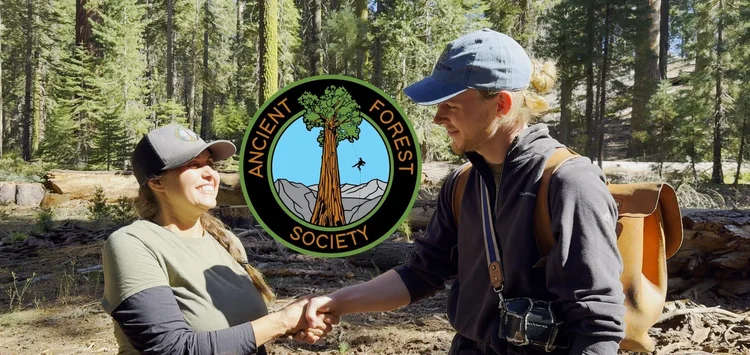
Ancient Forest Society Meets Sequoia Tree Advocate, Jay NaylorOur team at Ancient Forest Society spends considerable time working among the giant sequoias to achieve our mission of protecting ancient trees and forests. During these trips we have the opportunity to share our passion for the trees with park visitors. While working in Mariposa Grove in Yosemite National Park, our Development and Fundraising lead, Kimberly Wright met a fellow giant sequoia lover, Jay Naylor. Naylor is a filmmaker and sequoia advocate from Ketton, England. He was visiting to learn more about giant sequoias and to experience these majestic trees in their native habitat. Outside of their native range in the Sierra Nevada mountains, giant sequoia trees have been planted around the world, including in Naylor’s hometown of Ketton. Unfortunately, the planted giant sequoias in his town were in danger of being cut down for a local cement quarry. Naylor was driven to fight for his hometown giant sequoias by creating a documentary about his trip to highlight how special they are and to raise awareness about the plan to cut them down in Ketton. Luckily, through his efforts, the company revised their plans and they are no longer planning to remove the trees. This a great win for the community of Ketton. If you would like to see his video travel diary of his time visiting the giant sequoias of California, you can view his story HERE, which includes an interview with our very own Kimberly Wright.
|
|
|
Kimberly Wright meets Jay Naylor in Mariposa Grove in Yosemite National Park. |
|
Get your AFS swag!Ancient Forest Society’s merchandise is available for purchase online. We have hoodies, shirts, hats and beanies for you to show support and love for ancient forests. CLICK HERE to get yourself or someone you love something cool to wear. Each purchase helps support our organization in working towards a better future for old trees and ancient forests.
|
|
|
Anthony Ambrose, Executive Director of Ancient Forest Society, prepares to climb the largest tree in the world, the General Sherman, in Sequoia National Park. |
|
|
Did someone forward this email to you and now you want to sign up?
|
|
|
|