$$PLAIN_TEXT_PREVIEW$$

View in Browser

Ancient Forest Society

Ancient Forest Society


Sugar Pine Conservation: Supporting a Species Under Pressure

by Erin Burk

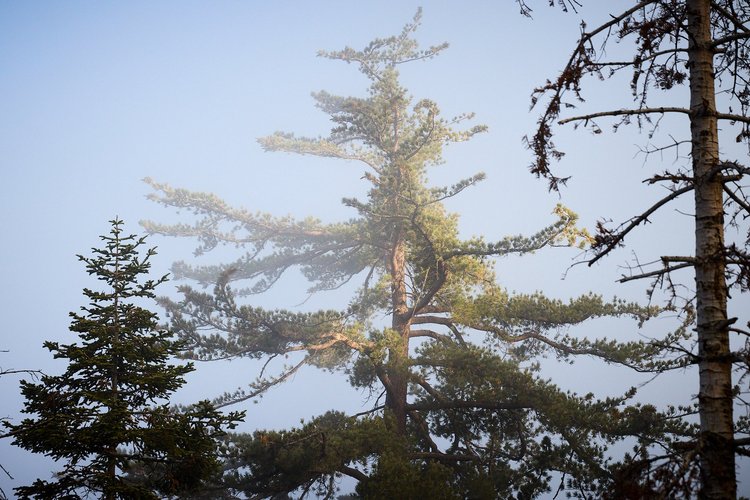
Sugar pine (Pinus lambertiana) is the tallest and largest of the world’s pine species and has the longest cones of any conifer. This species is an important component of many western forest ecosystems, found across a broad elevational range in the mountains of California and Oregon. You may not have known that its range extends all the way south into Baja, Mexico! Sugar pines provide many ecological benefits to the forests in which they live. Their large seeds serve as an important food source for wildlife, their broad crowns contribute to forest structure and habitat diversity, and their presence increases species diversity across mixed conifer forests.

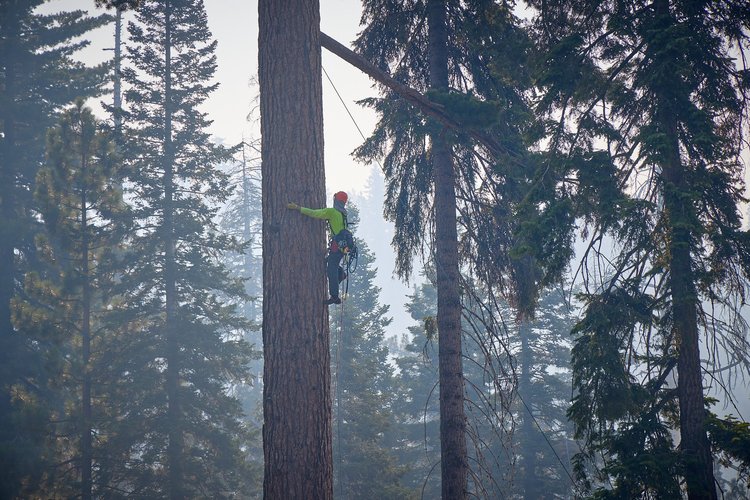
An AFS climber heading up a sugar pine tree in Giant Forest to collect cones. Sequoia National Park. Photo by Wendy Baxter.

Despite their ecological importance, sugar pine populations face significant challenges. One of the most serious threats is white pine blister rust, a non-native fungal disease introduced to North America in the early 1900s. The disease infects five-needle white pines, including sugar pine, causing branch dieback, stem cankers, reduced growth, and often mortality. Because the disease spreads through airborne spores and can persist across landscapes, it has contributed to widespread declines in many sugar pine populations. Only 3 to 5% of sugar pine trees are resistant to blister rust, making identifying these trees a top priority.

Additional stressors including drought, changing fire regimes, bark beetles, and increasing temperatures can further reduce resilience in already impacted sugar pine stands. These overlapping pressures make long-term conservation efforts increasingly important. A 2026 analysis by UC Berkeley researchers Battles and Ford found that sugar pines have been declining throughout much of their range, including the Sierra Nevada, for the last several decades.

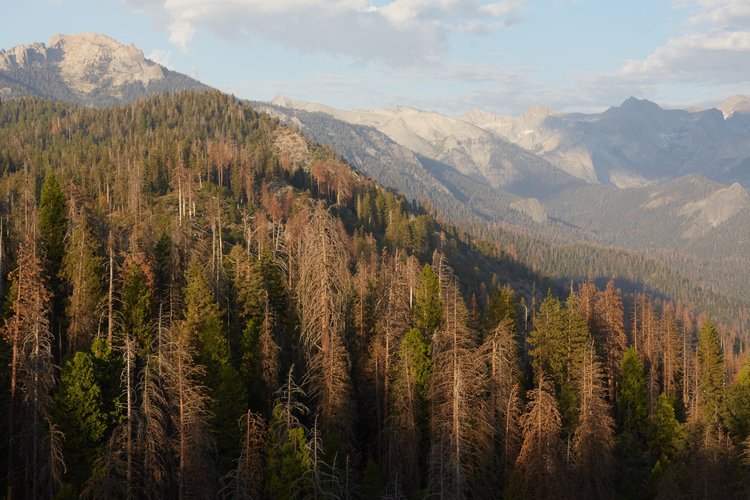
Looking out from Moro Rock at dead pine trees, including sugar pines, across the landscape. Sequoia National Park. Photo by Wendy Baxter.

Ancient Forest Society’s sugar pine program focuses on supporting restoration and long-term conservation through seed collection. It takes two years for a sugar pine cone to reach maturity and the cone crop can vary significantly from year to year. To date, we have collected over 522,000 sugar pine seeds from 50 trees across 5 collection sites in Yosemite and Sequoia National Parks. Our team will be back in both parks again this summer to continue this important work.

These collections support two primary objectives. First, seeds are used for genetic testing to identify trees with natural resistance to white pine blister rust. Identifying and propagating resistant individuals may help improve the resilience of future forests. Second, collected seed contributes to seed banking efforts, helping preserve genetic diversity and ensuring that material is available for future restoration and research needs.

As environmental pressures continue to affect western forests, long-term conservation strategies will depend on maintaining both species diversity and genetic diversity. Seed collection and testing efforts represent one piece of that work, helping ensure that sugar pine remains part of forest ecosystems into the future.

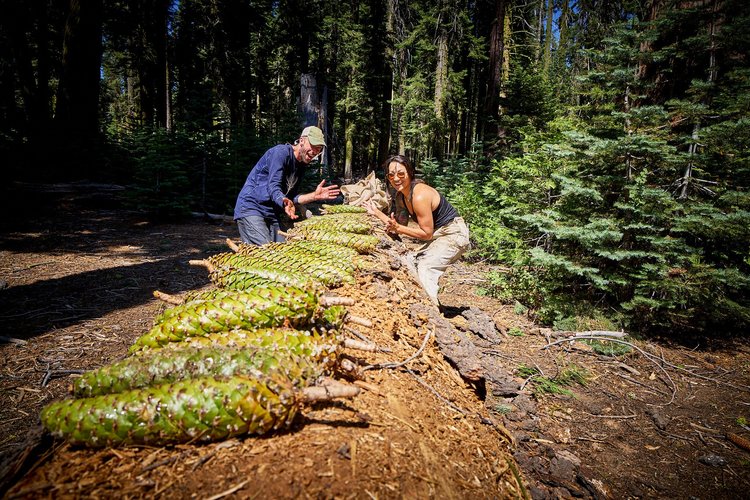
AFS team members showing off collected sugar pine cones. Yosemite National Park. Photo by Wendy Baxter.

 
 SUPPORT OUR WORK 

Welcoming a Lake Tahoe Community College Summer Intern

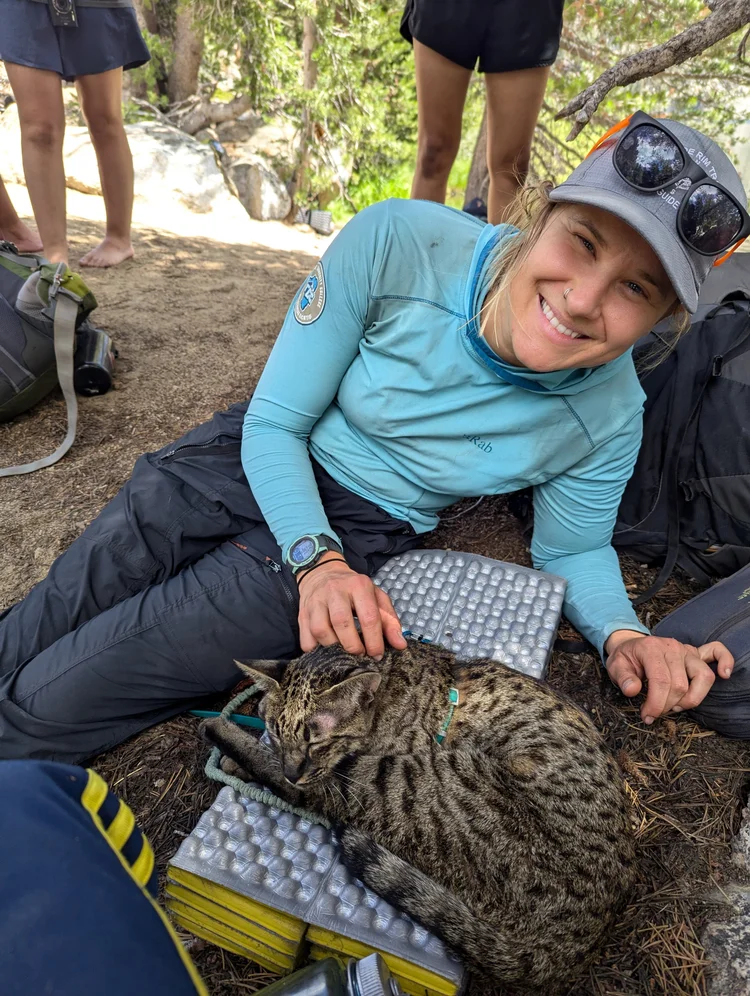
We are excited to welcome Shelby Rugg as an intern to our Ancient Forest Society (AFS) team this summer! Shelby is a student in the Forestry program at Lake Tahoe Community College (LTCC). She grew up in the Santa Cruz Mountains among the trees where she developed a keen respect and love for forests. She was drawn to the LTCC Forestry program because of her passion for conservation and her desire to spend time outdoors.

Shelby will spend the summer with AFS gaining hands-on, field-based experience in forestry, tree physiology research, and ecological monitoring. We are excited for her to explore the field of forestry more with us and we can’t wait to take her up a tree!

Shelby Rugg with a feline friend. Photo courtesy of Shelby Rugg.


Be Part of the Long-Term Effort

The challenges facing ancient forests unfold over decades, and our work, like our sugar pine cone collections, is designed with that same long-term perspective. Membership is one of the most effective ways to support sustained research, seed collection, and monitoring efforts across seasons.

As a member, you are directly contributing to the ongoing study and protection of these ecosystems, helping us build knowledge and capacity for the future, and maintain healthy forest ecosystems for generations to come.

 BECOME A MEMBER 
 

Did someone forward this email to you and now you want to sign up?

 JOIN OUR MAILING LIST 

Ancient Forest Society

This e-mail was sent to you by Ancient Forest Society. To ensure delivery to your inbox (not bulk or junk folders), please add our e-mail address, trees@ancientforestsociety.org, to your address book.

Ancient Forest Society, 870 Emerald Bay Rd., Suite 110, South Lake Tahoe, CA 96150, USA

Powered by Squarespace

Unsubscribe