|
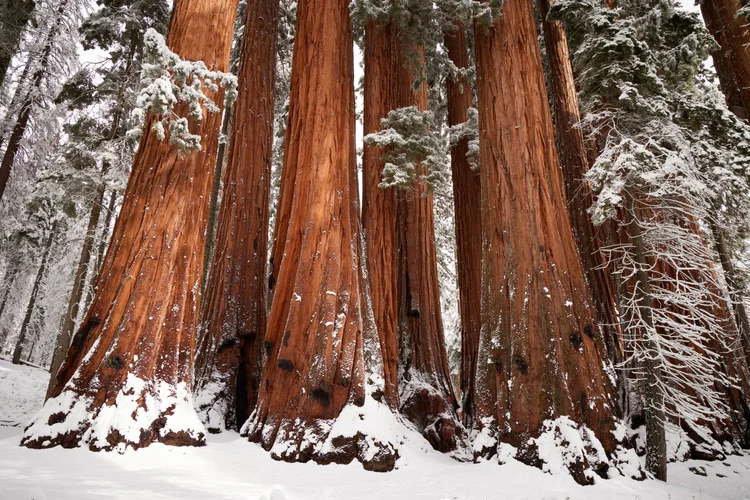
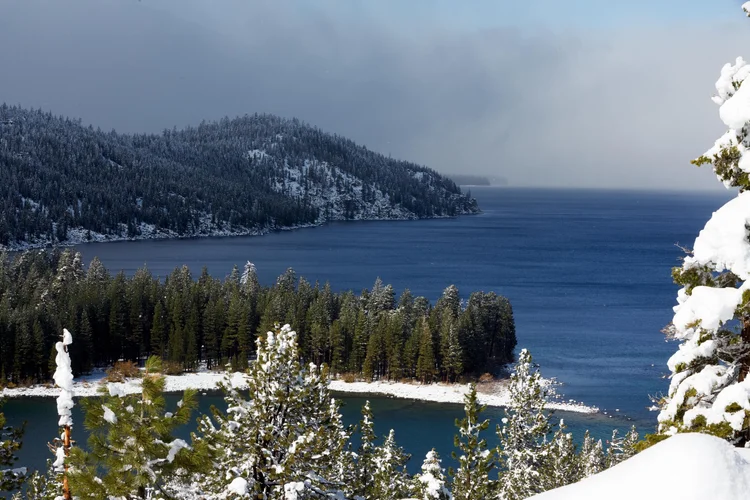
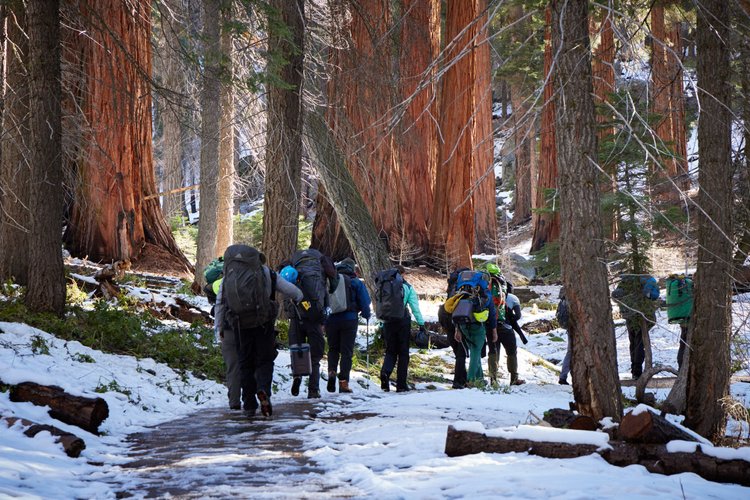
Winter conditions also help regulate forest ecosystems by limiting the spread of certain pests and pathogens. These seasonal checks and balances are particularly important for species already facing pressure from drought, insects, and changing fire regimes. In intact forests, cold winters have long played a role in maintaining this balance. As climate change brings warmer winters and reduced snowpack, many of these processes are being disrupted. Shorter cold periods and declining snowpack can increase stress on trees, making them more vulnerable to drought and insect outbreaks. Protecting these trees means protecting the seasonal patterns they depend on. Here at AFS, while our field activity diminishes, winter is not an off-season for our staff either. This is our time for processing samples, analyzing data, sharing the results of our critical research, planning upcoming fieldwork, and seeking out new ways to better understand and protect the ancient forest ecosystems that support the iconic species we study. When conditions require, you may even find us tramping a path through the snowy sequoias. And when conditions allow, the AFS team loves taking some time to enjoy the snow at our local ski resorts around Lake Tahoe. During the coldest months, the work—and the forests—remain active. Thank you for your continued support and for helping us protect ancient forests through every season.
|